The Linkspartei's Existential Crossroads: Echoes of "In Einem Land Vor Unserer Zeit Namen"
The German political landscape is constantly shifting, but few parties face internal turmoil as profound as Die Linke (The Left Party). Once seen as the ideological standard-bearer for social justice, anti-militarism, and solidarity with the oppressed, the party now finds itself grappling with fundamental contradictions that threaten its very identity. Indeed, many observers describe its current state with a poignant metaphor, evoking the title "In Einem Land Vor Unserer Zeit Namen" – a land before our time, a wistful nod to a past era of clarity and conviction, now contrasted sharply with its present struggles, infighting, and perceived abandonment of core leftist ideals.
This evocative phrase, reminiscent of childhood tales and lost worlds, perfectly encapsulates the sentiment of disillusionment. It paints a picture of a party that, for some, has strayed so far from its foundational principles that it resembles a mere shadow of its former self. The internal strife is not merely about policy disagreements; it cuts to the heart of what it means to be a "left" party in modern Germany, particularly concerning highly emotive and ethically charged issues such as the conflict in Palestine and the country's accelerating rearmament drive. Understanding these schisms is crucial to comprehending the current crisis engulfing Die Linke and its future viability. For a deeper dive into the party's ideological struggles, consider reading The Linkspartei's Crisis: A 'Land Before Our Time' of Ideals Lost.
Palestine: A Litmus Test for Leftist Principles and Bodo Ramelow's Controversies
Few issues expose Die Linke's internal contradictions as starkly as the Israeli-Palestinian conflict. Historically, the party has positioned itself as a vocal advocate for the rights of Palestinians and a critic of Israeli occupation policies, rooted in a broader commitment to anti-imperialism and solidarity with oppressed peoples globally. However, recent statements from prominent party figures have thrown this stance into disarray, leading to widespread condemnation and calls for accountability.
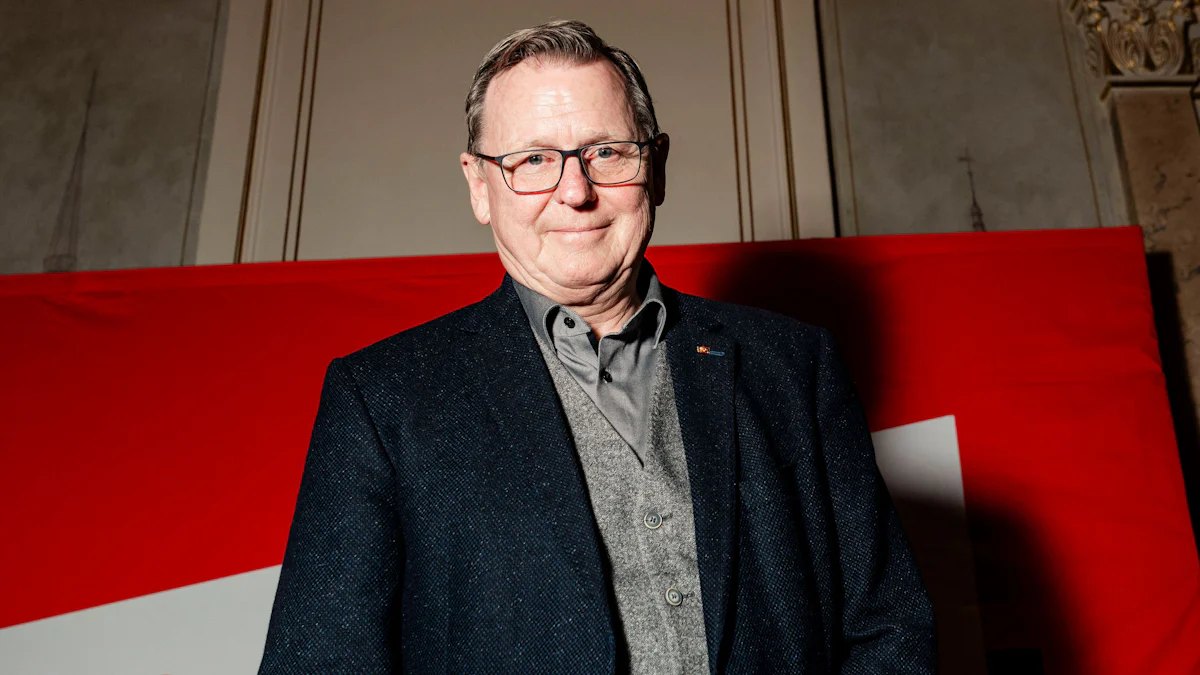
At the center of this controversy is Bodo Ramelow, the Minister President of Thuringia and a figure often seen as representing a more pragmatic wing of the party. Ramelow’s comments, particularly his reference to dead children in Gaza as "Hamas-Scheiße" (Hamas-shit) and accusations of denying genocide, have ignited a firestorm. Critics argue that such language is not only deeply dehumanizing but also serves to relativize the suffering of civilians and fundamentally undermines the party's historical commitment to human rights.
The fallout from Ramelow's remarks was further exacerbated by the response from the party leadership. Heidi Reichinnek, a prominent figure, downplayed the severity of his statements, framing them as a mere "faux pas" and proposing only a "four-eyes conversation" as a consequence. This perceived lack of decisive action and critical condemnation from within the party's ranks left many traditional supporters feeling betrayed. They argue that Ramelow's consistent relativization of the Palestinian genocide and his seemingly pro-armament stance position him as a "Linker auf Wish bestellt" – a "Leftist ordered from Wish.com," implying a cheap, poor-quality imitation of what a true leftist should embody. For these critics, his continued presence within the party leadership is an erosion of its moral compass, prompting calls for his resignation. They yearn for a return to a time when Die Linke's commitment to Palestine was an unwavering statement of solidarity, not a "cramped statement" or a mere fashion accessory like the Kufiya once was, but a genuine expression of conviction.
The Moral Dilemma: Reclaiming Solidarity
The controversy surrounding Palestine highlights a crucial ideological battle within Die Linke. Is the party willing to compromise its core principles for perceived political expediency or electoral gain, or will it reaffirm its unwavering commitment to justice and human rights, even when it's unpopular? Reclaiming its voice on this issue would involve:
- Unambiguous Condemnation: Clearly denouncing all forms of violence against civilians and articulating a consistent stance based on international law and human rights.
- Internal Accountability: Establishing transparent mechanisms for addressing and sanctioning leaders whose statements contradict fundamental party values.
- Education and Dialogue: Fostering internal discussions to clarify the party's position and ensure that all members understand and adhere to its principles of solidarity.
Rearmament and Militarization: Defying Core Leftist Dogma
Another profound area of contradiction for Die Linke lies in the intensifying debate around Germany's rearmament and military spending. Following geopolitical shifts, particularly the war in Ukraine, there has been a significant push within German politics for increased defense budgets, including a €100 billion special fund for the Bundeswehr (German Armed Forces) and renewed discussions about mandatory military service. For a party historically rooted in peace activism and anti-militarism, this surge in hawkish rhetoric and spending presents an existential challenge.
Traditionally, Die Linke has stood firmly against military intervention, arms exports, and increased defense spending, advocating instead for diplomatic solutions, disarmament, and investment in social programs. The current political climate, however, has seen some within the party struggling to articulate a coherent and unified opposition. While many staunch leftists remain vehemently opposed to the "100 small billions" being poured into defense, arguing against fear-mongering and the notion that national security can only be achieved through military might, the broader political narrative often pushes for appeasement and "small concessions" to appeal to a wider electorate.
The re-emergence of discussions around conscription is particularly galling for many long-standing members, some of whom are conscientious objectors (Kriegsdienstverweigerer). They argue that fear is a construct perpetuated by "systems and state constructs" to divide people, rather than an inherent human reality. The core belief that "people can get along well with each other" remains a fundamental leftist ideal, diametrically opposed to the logic of perpetual rearmament and the normalization of war.
Navigating Internal Contradictions: The Path Forward?
The struggles over Palestine and rearmament are not isolated incidents but symptoms of a deeper crisis within Die Linke. The party's challenge is to navigate the complexities of modern politics while staying true to its founding ideals. This requires more than just making "small concessions" in the hope of being liked by non-leftist voters. It demands:
- Principled Leadership: Leaders who are willing to take unpopular stances based on conviction, rather than constantly seeking appeasement.
- Clarity of Vision: A clear, unified message that articulates the party's core values and how they apply to contemporary issues.
- Empowering the Base: Engaging grassroots members and allowing their voices, particularly on issues like peace and solidarity, to shape party policy.
- Strategic Communication: Developing compelling arguments that challenge dominant narratives around security and international relations, offering genuine alternatives to militarization.
The current state of Die Linke, as captured by the metaphor of "In Einem Land Vor Unserer Zeit Namen," suggests a poignant longing for a time when its ideals were clear, its convictions firm, and its voice unambiguous. The tears shed for an "old, perfect Linkspartei" stand in stark contrast to the "momentary real Linkspartei," riddled with infighting and ideological compromises.
Conclusion: Can Die Linke Reclaim its Ideals?
The challenges facing Bodo Ramelow and Die Linke are multifaceted, stemming from internal divisions, a struggle to define its stance on critical global issues, and the difficult balance between ideological purity and political pragmatism. The evocative phrase "In Einem Land Vor Unserer Zeit Namen" serves as a powerful reminder of the party's idealized past and the current state of turmoil that leaves many wondering if its core values have been permanently eroded. For Die Linke to not only survive but thrive, it must confront these contradictions head-on. This means a decisive return to its historical commitments: unwavering solidarity with the oppressed, unequivocal opposition to war and rearmament, and a steadfast refusal to compromise on fundamental human rights. Only then can it hope to emerge from its current crisis and perhaps, one day, inspire a new generation with the spirit of an authentic, principled left. This introspection, much like Revisiting The Land Before Time: Childhood Grief & Dinosaur Classics, is about confronting the harsh realities of the present while holding onto the comforting, albeit sometimes painful, memories of a more innocent and perhaps more ideal past.